4.9★★★★★on GoogleFamily run, open 24/7, across Epping and Essex4.9★★★★★on GoogleFamily run, open 24/7, across Epping and Essex
Jayden Hutchings
November 1, 2026
Moving office in Essex means dealing with the furniture and IT you are not taking with you, and the best time to sort that out is a few weeks before the move. Every office move leaves a pile: the desks that do not fit the new layout, the chairs nobody wants, the filing cabinets, the old screens and the contents of the store cupboard. This guide walks through how to plan that side of the move, what the law asks of a business when its waste leaves the building, and how an office clearance fits around the rest of your moving day.
The most useful hour you can spend is walking every room with a notepad or your phone. For each room, note 3 things: what is coming to the new office, what could go to someone else, and what is waste.
Be honest with the last list. Most offices find more than they expected in the places nobody looks: the store room, the space under the stairs, the corner of the kitchen where the broken chairs go. If you share a building, check the communal cupboards too, because a landlord will expect anything with your name on it gone.
Take photos as you go. You will want them later for pricing the clearance, and they save a second trip round the building. A short list of what is going, room by room, helps whoever prices the job give you a firm figure rather than a guess.
Office furniture in decent order is worth offering on before it goes in a van. Staff are often glad of a desk chair or a small cabinet for home. Other businesses in your building, local schools, community groups and charities may want desks and meeting tables. Selling groups online can shift the better pieces, although someone has to deal with the messages and the collections.
Set a cut off date for all of this, a week or so before the move. Furniture that has not found a home by then becomes part of the clearance, so you are not left on the last day with half the office promised to people who have not turned up.
Most offices have more old electricals than they think: monitors, base units, laptops past their best, printers, desk phones, cables, the staff kitchen fridge and the microwave. All of it is electrical waste and needs to go somewhere that can deal with it properly, not in with the general rubbish.
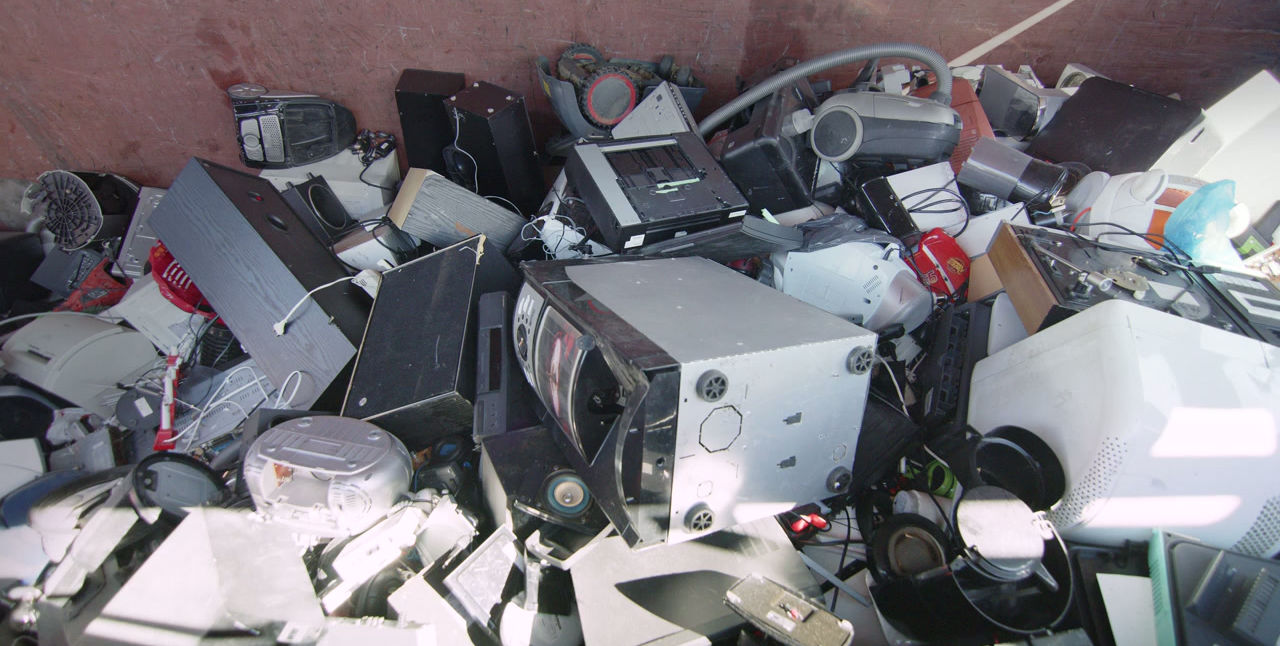
Before anything leaves, sort out the data. Wiping or removing any drives that hold company or customer information is your job, and it needs doing before collection day. Ask your IT provider to do it if you have one, and keep a note of which machines have been cleared. We collect the hardware once that is done.
If you are buying new equipment for the new office, ask the supplier whether they will take back the old kit. Some do, and it may save you handling those items at all. Everything else can go with the clearance, and our electrical waste disposal page explains how we handle fridges, screens and other appliances.
Waste from an office is business waste, and a business has more paperwork to keep than a household. The waste duty of care code of practice on GOV.UK names offices among the businesses that produce waste and carry a duty of care for it.
The code sets out 3 things that matter on moving day:
Mention that it is office waste when you book, so the transfer note is ready on the day, and file your copy with the rest of the move paperwork. If waste from your old office ever turned up dumped in a lay by, that paper trail is how you show you handed it over properly.
A further rule catches out small firms. Essex County Council recycling centres take household waste only, so a car full of office chairs will be turned away at the gate, even if you drive it there yourself.
An office clearance works best when it is planned with the move. There are 2 common ways to do it:
Either way, tell us about the building. Loading bay rules, lift bookings, a building manager who needs notice, set hours for moving furniture and where a van can stop all shape the day. If some rooms are still in use, we plan around them and keep corridors clear while people are working.
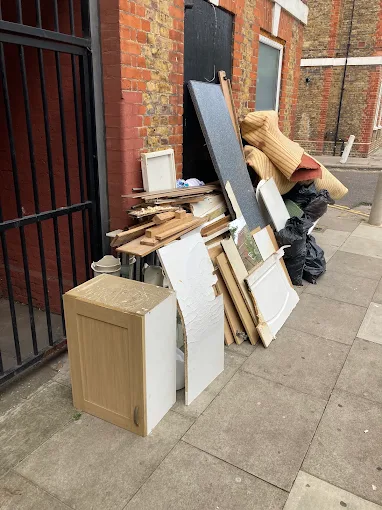
On the day we carry everything out ourselves. Desks that will not fit through a door in 1 piece are taken apart first. We take care with walls and door frames on the way out, and we sweep up so the space is left clean for the landlord's check.
Most office leases expect the space back empty. Read the end of lease terms before moving day so you know what counts as yours to remove: furniture and kit you brought in, signage, partitions or fittings your business added. If you are not sure whether something belongs to you or the building, ask the landlord or agent in writing before it goes in the van.
If you are on the other side of that conversation, a landlord or agent turning a unit round between tenants, our property clearance page covers clearing a space ready for the next tenant.
There is no set rate for an office, because no 2 hold the same things. We price each office clearance in Essex from the photos you send, and these are the things that move the figure:
Empty the filing cabinets before the day, or tell us there is paper inside so we can talk about it before we arrive. No job is too large or too small: a single room of old chairs is priced the same way as a whole floor, from what you show us. Our office clearance page lists everything we take from offices and how a commercial job runs.
Yes. Tell us which rooms are still in use and we will plan the clearance around them. If your building has set hours for loading or moving furniture, let us know when you send the photos and we will work to them.
Yes. Monitors, base units, printers and phones are electrical waste and we collect them with the rest of the load. Wiping or removing drives that hold company or customer data is your job before we arrive.
A waste transfer note for each load that leaves your premises, as the GOV.UK code of practice sets out. Mention it when you book so the note is ready on the day, and keep your copy for 2 years.
No. We also clear offices changing their layout, store rooms that have finally been tackled and units between tenants. If your office produces more waste than the bins can take every week, our weekly and monthly waste collection page explains how a regular collection works.
Walk round with your phone, take photos of each room and the route out to the van, and send them through our quote form with your town and the date you are moving. You can also call or WhatsApp us on 07834 527 855. We will come back to you with a price before anything is loaded.
Book a clearance
Fill in the quote form with a photo and your town, or call us on 07834 527 855, and you will have a price for the job before you book a day.
4.9★★★★★on Google